Mastering tiny apartment design is essential in major metropolitan areas, where studios have become the primary sanctuary for many. When facing limited square footage, interior designers are not magicians. What we can do is optimize space efficiency and streamline the flow of daily life, rather than blindly cramming the area full of objects.
The core philosophy of designing a micro-apartment should always prioritize “people” and “lifestyle” over “possessions.” Sacrificing your own living comfort just to hoard clutter is completely counterproductive. To make a few hundred square feet feel as comfortable as a grand residence, the following five design insights and tips are essential
Opt for Smart Multi-functional Furniture in Tiny Apartment Design
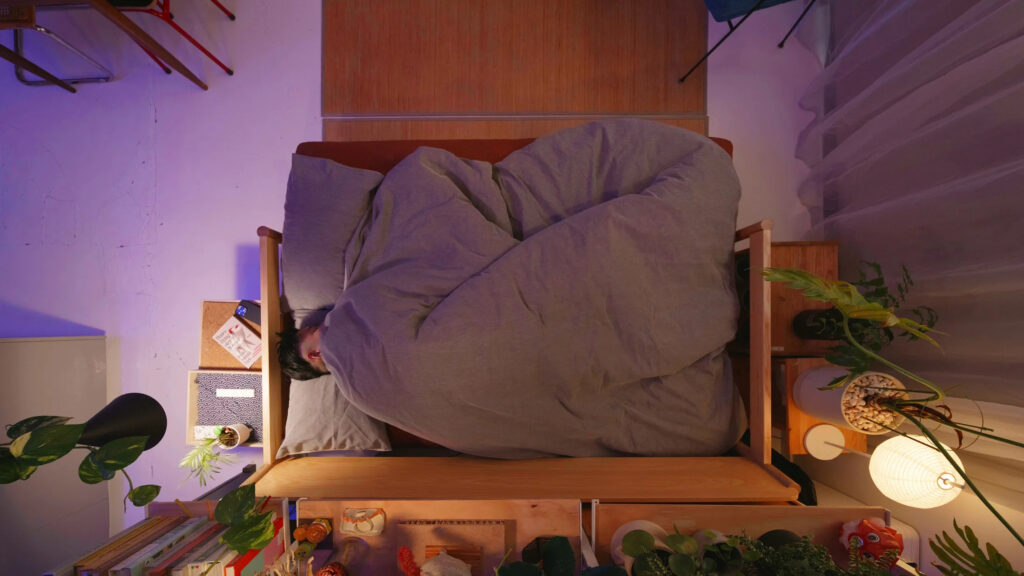
Design Tip: In a studio layout, a single piece of furniture often needs to serve multiple purposes. Beyond common two-in-one kitchen appliances or washer-dryer combos, consider investing in a versatile sliding sofa bed, such as the Eva Slideaway Sofa Bed. As a freestanding, renter-friendly solution, it features a lightweight timber frame with clever sliding slats that effortlessly converts from a stylish sofa into a properly sized bed. This allows small-space dwellers to lounge or sleep comfortably without compromising on proportions or risking their rental deposit. By sliding it back during the day, your bedroom instantly transforms into a spacious home office or a dedicated area for yoga and stretching—achieving true multi-functionality without heavy carpentry.
Precise Decluttering: Replace Heavy Cabinetry with Statement Pieces
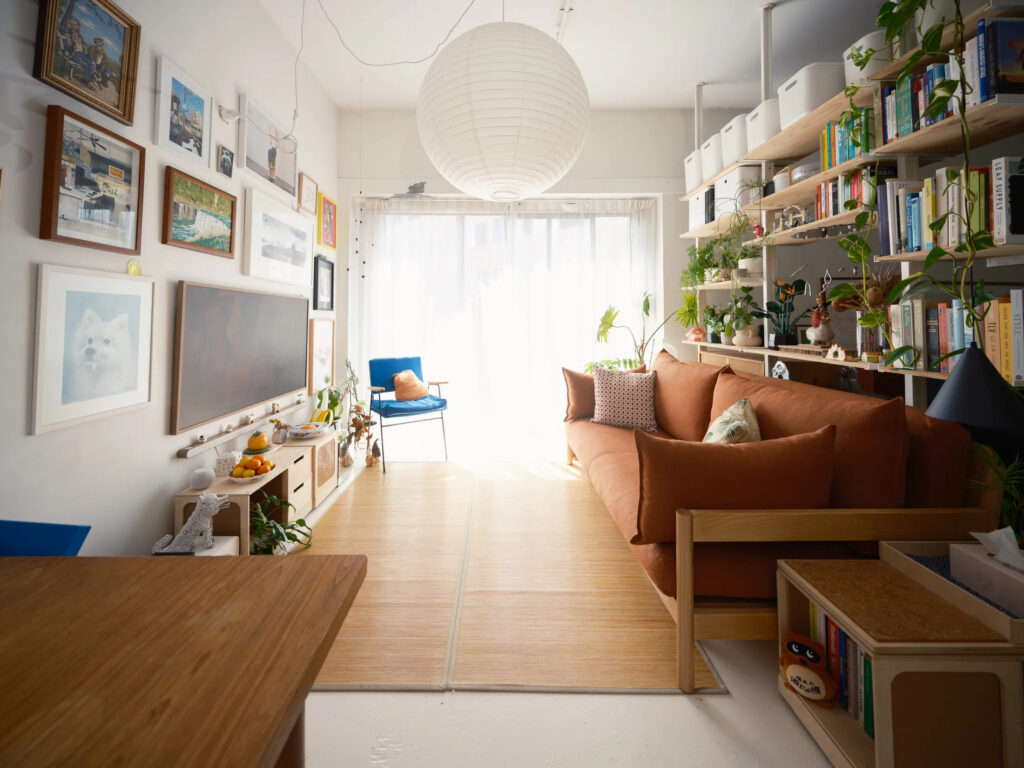
Design Tip: When confronted with space constraints, many people’s first instinct is to line every wall with built-in storage cabinets. However, this only makes a micro-apartment feel more oppressive. A better approach is to practice strict decluttering and retain only high-quality, meaningful statement pieces—such as a single designer armchair or a vintage floor lamp. Reducing bulky, fixed furniture and leaving breathing room inherently showcases your personal taste.
Say No to Raised Platforms: Maximize Vertical Space
Design Tip: Unless your apartment boasts exceptionally high ceilings that allow for a proper loft or mezzanine, building raised platform flooring is generally not recommended. It abruptly eats into the vertical clearance, making the space feel cramped and claustrophobic. Instead, redirect your focus toward vertical space. Utilizing floor-to-ceiling floating shelves or wall-mounted shelving systems satisfies storage needs while displaying your curated books and collectibles, guiding the eyes upward to create an illusion of height.
Lean into Flexible and Extendable Furniture
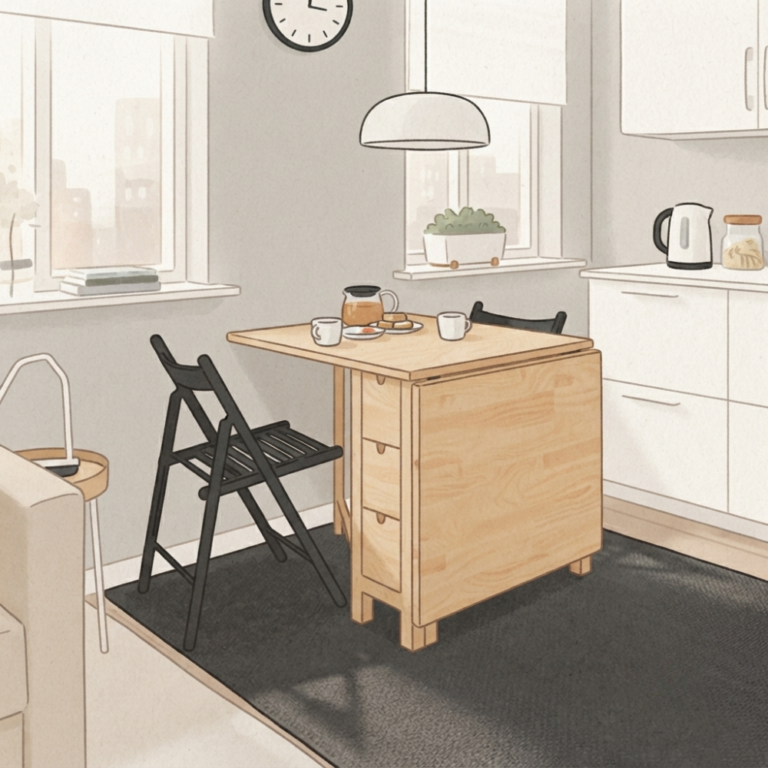
Design Tip: Living in a tiny apartment shouldn’t mean sacrificing your social life. Opt for an extendable dining table that functions as a sleek table for two or a workspace during the week, but can easily unfold to become the centerpiece of a gathering when friends visit. Additionally, keep a few stacking stools or textured floor poufs on hand; they take up minimal space day-to-day but can instantly provide extra seating for guests.
Zone Your Space Instead of Creating Rigid Partitions
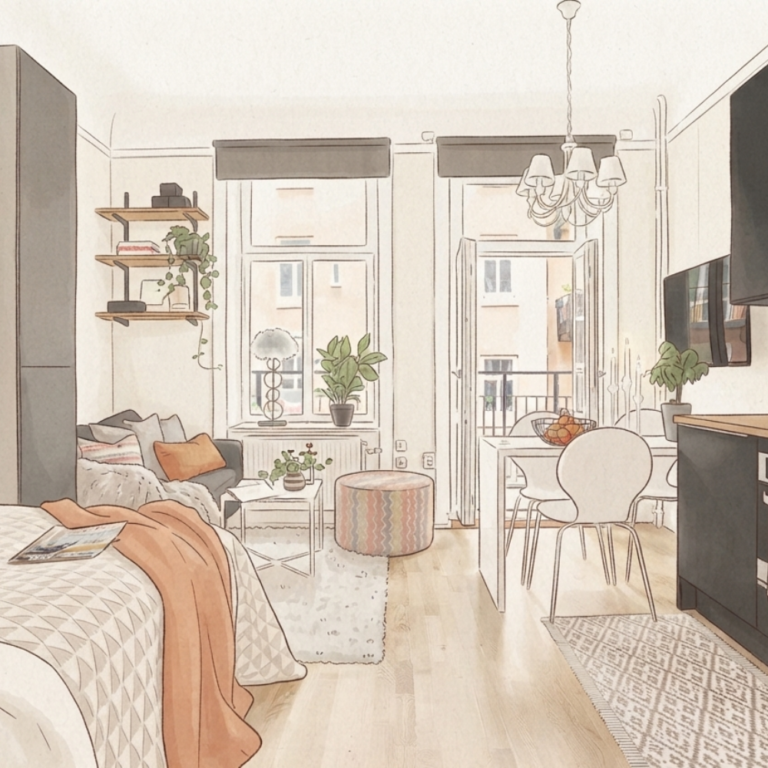
Design Tip: In a completely open-concept studio, avoid the temptation to forcefully partition the layout with solid walls or heavy sliding doors just to “create another room.” Doing so severely disrupts the natural light and spatial flow. Instead, practice zoning using area rugs, lighting, and plants. For instance, define the living area with a large area rug, and suspend a warm pendant light over your dining table to demarcate the eating zone. Utilizing visual cues to guide movement maintains a sense of openness and continuity throughout the apartment.
Living in a tiny apartment does not mean compromising on your quality of life. By mastering the flexibility of your furniture and learning to detach from unnecessary belongings, a small apartment can effortlessly embody a grand standard of living.
Ultimately, successful tiny apartment design is about shifting your mindset. When you stop focusing on what your space lacks and start maximizing its unique potential, you unlock a highly functional, beautiful sanctuary that perfectly reflects who you are. Embrace the edit, invest in quality over quantity, and watch your limited square footage transform into your favorite place to be.